Why 2026 Could Be a Defining Year for Branded Residences in India
India’s luxury real estate market is changing. Today, luxury means more than spacious homes, premium amenities, and prime locations. Buyers are also looking for unique designs, trusted brands, and better living experiences.
This shift is bringing branded residences into the spotlight.
From Gurugram and Noida to Mumbai and Bengaluru, branded residences are gaining attention among luxury homebuyers. These developments combine premium homes with the design, service, and identity of well-known global brands.
As India’s luxury housing market grows, 2026 could become an important year for branded residences.
What Are Branded Residences?
Branded residences are luxury homes linked to recognised brands. These brands may come from hospitality, fashion, or lifestyle sectors.
Unlike conventional luxury projects, branded residences offer a living experience shaped by the brand’s identity and standards.
Depending on the project, the brand may influence:
-
Architecture and design: A distinct style that reflects the brand’s identity.
-
Interior design: Premium finishes, materials, and attention to detail.
-
Services and lifestyle: Special services and experiences for residents.
-
Property management: Professional management and maintenance standards.
Buyers are not just investing in a home. They are also investing in a lifestyle connected to a recognised brand.
This concept is already established in cities such as New York, London, Dubai, and Miami. India is now seeing growing interest in this segment, especially among buyers seeking a more exclusive living experience.
Why Are Branded Residences Gaining Popularity in India?
India’s luxury homebuyers are becoming more informed and globally connected. Many have experienced premium hospitality, international travel, and luxury products. They now expect similar quality from their homes.
Branded residences appeal to these buyers for several reasons.
1. Global Design and Quality
A recognised brand can bring a clear design vision to a residential project. Buyers may value the attention to detail, quality of materials, and consistency of the overall experience.
However, the actual design and quality standards depend on each project and its agreement with the brand.
2. Brand Recognition and Trust
A well-known name can make a project stand out in a competitive market. It can also give buyers a clearer idea of the lifestyle and design they can expect.
For high-net-worth individuals, this brand association can be an important part of the buying decision.
3. Exclusive Living Experiences
Luxury buyers often look beyond the size of a home. They may also consider privacy, personalised services, amenities, and the overall living environment.
Branded residences aim to bring these elements together in a more distinctive residential offering.
4. A Sense of Identity and Legacy
For some buyers, a luxury home reflects personal taste, success, and long-term aspirations. A residence linked to a recognised brand can offer a sense of identity that goes beyond its physical features.
These factors are helping branded residences gain attention in India’s ultra-luxury housing market.
Branded Residences Reflect India's Growing Global Presence
The rise of branded residences is also linked to India’s changing luxury market.
Growing wealth, international exposure, and demand for premium housing have created opportunities for developers to work with global brands.
Cities such as Gurugram and Noida are attracting attention because of their corporate hubs, infrastructure development, and luxury housing markets.
For international brands, these locations offer opportunities to reach buyers who value design, exclusivity, and global lifestyle standards.
This trend reflects a broader change in Indian real estate. Buyers are increasingly comparing homes not only by location and price, but also by the experience and identity a project offers.
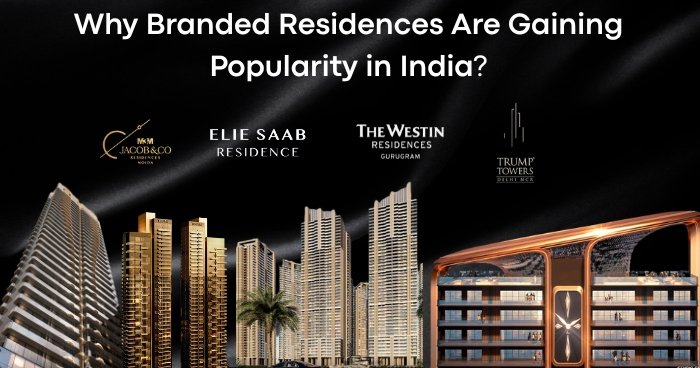
Leading Branded Residences in India
Several developments are adding to the conversation around branded luxury living in India.
Examples include:
-
Westin Residences Gurugram
-
Trump Towers Gurgaon
-
Trump Tower 2, Sector 69
-
M3M Jacob & Co. Residences Noida
-
M3M Elie Saab Residences
These projects bring different brand identities and design approaches to the residential market.
Their appeal may come from architecture, interiors, brand recognition, location, or the lifestyle they promise. For buyers, it is important to compare the actual specifications, services, and terms offered by each development.
Branded residences are not all the same. The level of brand involvement and the benefits available to residents can vary from project to project.
Why M3M Elie Saab Residences Stand Out
M3M Elie Saab Residences brings fashion-led design into India's luxury residential market.
Elie Saab is known worldwide for haute couture, elegant designs, and detailed craftsmanship. Its association with residential real estate introduces a design identity inspired by the world of luxury fashion.
The project aims to appeal to buyers who value interiors, aesthetics, and exclusivity alongside location and amenities.
For luxury homebuyers, this combination can be an important consideration. A branded residence offers a different proposition from a conventional luxury home, especially when the brand plays an active role in shaping the design.
However, buyers should also review the project's specifications, brand agreement, management arrangements, possession timelines, and other terms before making an investment decision.
Investment Potential of Branded Residences in India
Branded residences can offer a distinctive investment proposition. However, their performance depends on several factors, including location, purchase price, market demand, maintenance costs, and the strength of the brand association.
Potential advantages may include:
-
Brand-driven demand: Recognition may attract buyers who prefer branded luxury homes.
-
Distinctive positioning: A unique design and lifestyle offering can help a project stand out.
-
Rental potential: Premium services and brand recognition may appeal to certain tenants.
-
Resale appeal: A strong brand identity may help attract future buyers.
-
Professional management: Where provided, professional property management may support the upkeep of the residence.
However, these benefits are not guaranteed. Branded residences may also carry higher purchase prices and maintenance costs.
Claims of higher rental yields or faster appreciation should be supported by reliable market data. Buyers should compare a branded residence with similar non-branded properties in the same location before deciding.
Why 2026 Could Be a Turning Point
Several factors could make 2026 an important year for branded residences in India.
More informed buyers: Luxury homebuyers have greater access to global property trends and are comparing homes on more than size and amenities.
Growing demand for branded living: Some buyers want a home that combines distinctive design, recognised branding, and premium services.
Expanding luxury housing markets: Gurugram, Noida, Mumbai, and Bengaluru continue to attract interest from developers targeting the premium housing segment.
Greater focus on lifestyle: Buyers are placing more value on design, privacy, service quality, and the overall residential experience.
Together, these factors could support further growth in India's branded residence segment. The pace of growth will depend on buyer demand, project quality, pricing, and wider real estate market conditions.
Final Thoughts
Branded residences are changing how some buyers view luxury homes in India. They bring together residential real estate, distinctive design, and the identity of recognised brands.
For buyers, the appeal goes beyond a prestigious address. It can also include a unique design philosophy, premium services, and a more curated living experience.
As India's luxury housing market evolves, 2026 could mark an important stage in the growth of branded residences.
For anyone considering this segment, the key is to look beyond the brand name. Project quality, location, pricing, management, and long-term value remain essential factors in making an informed decision.